Lithuania proposes player cards, higher gambling taxes
Lithuania’s Ministry of Finance has outlined gambling reforms that would introduce mandatory player cards, cashless gambling at physical venues, and progressive operator taxation. The measures remain proposals, with separate implementation schedules for the player-protection and tax changes.
The player-card provisions would take effect on January 1, 2029, rather than in 2027. The ministry proposes May 1, 2027, for other provisions of the Gaming Law amendments, while allowing additional preparation time for the card system and the replacement or upgrading of gambling equipment.
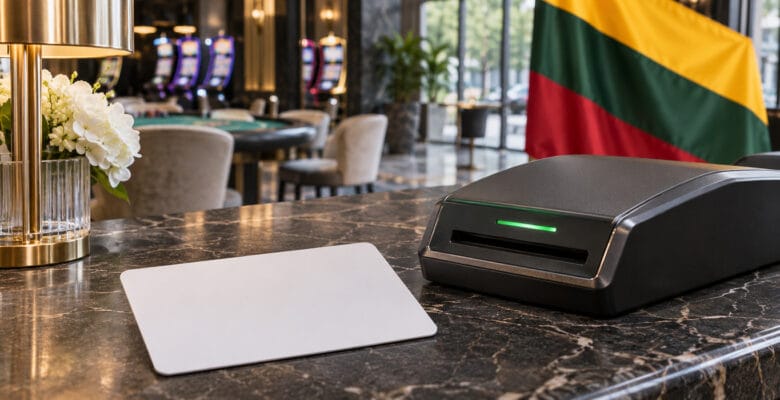
Under the proposed framework, customers gambling online or at physical premises would need a physical or digital card. It would record stakes and winnings across different operators, together with the customer’s spending limits, time limits and gambling restrictions.
The reforms would also require financial-capability assessments for players who set a maximum monthly loss limit exceeding €20,000. Operators would need supporting documentation, such as income statements, tax returns or bank records, to verify that the customer could financially sustain the chosen limit. Players who failed to provide the required evidence would not be permitted to gamble.
Progressive tax proposal introduces three revenue bands
A separate tax proposal, submitted for consultation on November 12, would retain the existing 22% rate on the first €3 million of gross gaming revenue. The portion between €3 million and €5 million would face a 29% rate, while revenue above €5 million would be taxed at 36%.
These are proposed marginal bands, rather than a single rate applied indiscriminately to an operator’s entire revenue. The ministry also proposes increasing the lottery tax rate from 18% to 20%, alongside changes to calculation, declaration and payment procedures.
Using operators’ 2025 results, the ministry estimates that the proposed rate changes could generate up to €36 million in additional budget revenue. That figure is a government projection, not revenue already collected or a guaranteed outcome.
Together, the proposals address both the visibility of customer activity and the financial contribution of licensed businesses. The player-card transition would require operational and technical preparation, while the tax consultation concerns a separate change to operators’ liabilities. Neither announcement establishes that the complete package has become law.