Massachusetts gambling-impact grants fund surveillance cameras
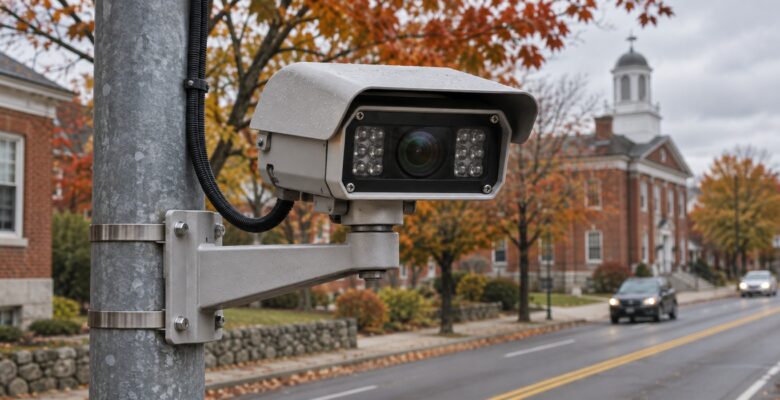
Massachusetts communities have used casino mitigation grants to purchase vehicle-surveillance technology, while a small share of the same funding has supported gambling-harm programs, a WBUR investigation found. Its review identified nine communities that bought automated license plate readers through the grants over three fiscal years.
WBUR reported that 5% of the $38.5 million awarded to communities during that period went toward efforts addressing problem gambling. The funding also supports public safety, transportation, and other casino-related impacts, so the remaining expenditure does not represent money earmarked exclusively for treatment.
The investigation questioned how municipalities justified camera purchases and how those decisions were scrutinized. “When towns get money for much needed public and social issues, they just end up throwing that money at more surveillance,” said Matthew Guariglia, a policy analyst at the Electronic Frontier Foundation.
An amended Agawam application illustrates the connection officials sought to establish. It cited the town’s position on routes to MGM Springfield, traffic enforcement demands and potential public-safety effects. The application also claimed that some visitors left children at Six Flags New England while visiting the casino.
Grant application proposed a three-year camera lease
Agawam proposed leasing six Flock Falcon license plate recognition cameras for three years. Its application described uses by detective and traffic personnel, including investigating crimes, following up on incidents and examining crashes. The cameras were to be placed on roads described as commonly used by casino visitors.
The application framed the equipment as useful for broader policing as well as casino-related traffic. It stated that cameras in neighboring communities had helped Agawam solve crimes and proposed positioning the devices strategically around town. Those statements represent the municipality’s justification for funding, rather than independently established evidence of casino-generated crime.
The Massachusetts Gaming Commission says the Community Mitigation Fund was created under the Expanded Gaming Act to offset impacts from building and operating gaming facilities. Its published categories include gambling-harm reduction, public safety, transportation, workforce development and community planning, alongside regional projects and specific casino-related impacts.
The commission shifted to municipal block grants and regional applications in fall 2023. Its current guidance continues to include both public-safety and gambling-harm categories. WBUR reported that the commission referred questions about individual municipalities’ reasons for buying cameras to the communities themselves.