Brazil orders end of fixed-odds betting market
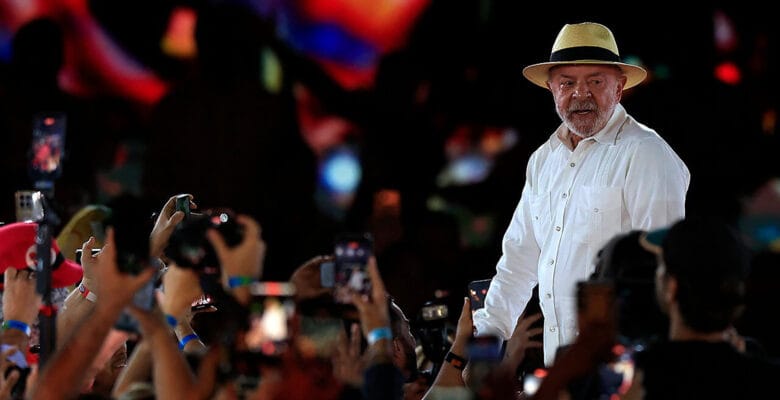
Brazil has moved to end the country’s regulated fixed-odds betting market, with President Luiz Inácio Lula da Silva signing a provisional measure on September 25 that prohibits the operation, offering, intermediation and advertising of fixed-odds betting.
The measure covers bets on real sporting events and virtual online gaming and applies to both federal and state or Federal District authorizations. Other lottery products already authorized under Brazilian law are excluded from the prohibition. The measure took effect immediately, although it must be approved by Congress within 120 days to remain in force permanently.
The government has set out a short transition period for licensed operators. New deposits were prohibited from September 25, while websites and apps are scheduled to go offline from October 6.
Operators face October shutdown
Customers have until 11:59 p.m. on October 5 to withdraw their remaining balances voluntarily. Operators must then provide financial institutions with details of outstanding balances on October 7 and 8.
Banks are scheduled to return those funds to bettors between October 9 and 14. If a bank is unable to complete a repayment, Caixa Econômica Federal will receive the funds and arrange their return to customers. Operators must also remove betting advertising and sponsorship materials within the transition period.
The measure, Provisional Measure 1,394/2026, also terminates the existing state and Federal District concessions, permissions and authorizations for fixed-odds betting within the timetable set by the government.
Finance Minister Dario Durigan said following the measure’s publication: “It is no longer possible to deposit money into betting sites in the country.”
The government has linked the decision to concerns about household debt and gambling-related harm. The announcement came alongside a separate debt-relief initiative under which the government plans to spend R$15 billion to purchase delinquent household loans at a discount.
R$2.55 billion in licence fees at stake
Brazil’s regulated market was established in December 2023, with nationwide operations under Ministry of Finance authorization beginning on January 1, 2025. The government subsequently authorized 85 companies to operate fixed-odds betting, with each authorization carrying a R$30 million fee. The licences were issued for five years.
The 85 authorizations therefore generated R$2.55 billion in licence fees. The provisional measure provides for the termination of the authorizations without compensation for investments, lost profits or expectations associated with continued operation.
The decision has prompted opposition from industry organizations. The Brazilian Institute for Responsible Gaming (IBJR) said companies had invested in operations, employees, systems, and contracts to comply with the regulatory framework established by the government. It described the prohibition as a break with that framework and warned of economic and legal consequences. The institute also cited LCA Consultores estimates on the potential fiscal impact of demand shifting from regulated to illegal operators.
The National Association of Games and Lotteries (ANJL) has also said it intends to challenge the measure in court, while other industry groups are considering legal action.
Brazilian football is another sector facing an immediate commercial impact. Betting companies have become major sponsors of clubs and competitions during the short period in which the regulated market has operated.
Decision comes nine days before election
The timing of the measure puts the end of the regulated betting market nine days before Brazil’s October 4 presidential election. Lula had already criticized the betting sector before the decision and said on September 18 that, if it were up to him, he would “end” betting in Brazil.
In the days before the measure was signed, reports indicated that the government was considering restricting online casino games while potentially retaining regulated sports betting. The final measure instead covers both sports betting and virtual online gaming.
Lula signed the legislation that established the fixed-odds betting framework in December 2023. Under the system, operators began serving customers nationally after obtaining authorization from the Ministry of Finance’s Secretariat of Prizes and Betting (SPA) from January 1, 2025.
The SPA had introduced additional measures against illegal operators shortly before the ban. The government is now moving to dismantle the regulated framework while separately preparing legislation that would establish criminal offenses related to operating, promoting or intermediating fixed-odds betting.
Those criminal penalties are not part of the provisional measure itself. They are contained in separate proposed legislation and would require approval through the legislative process before taking effect.
Industry weighs legal and financial impact
The financial consequences of ending the regulated market are also being debated. The government has already collected licence fees from authorized operators, while the sector has generated tax revenue since regulation began.
LCA Consultores has estimated that a complete prohibition could reduce tax revenue by between R$58 billion and R$73 billion from 2027 through 2030, depending on how much of the regulated market’s demand moves to illegal operators. The upper-end R$73 billion estimate assumes that essentially all current regulated demand shifts to the illegal market. The figures are projections rather than confirmed future losses.
The immediate timetable, however, is already fixed by the provisional measure: new deposits are prohibited, customers have until October 5 to withdraw their balances voluntarily, and betting websites and applications are scheduled to leave the market from October 6.
Congress now has 120 days to consider the measure. If it is not approved within that period, it will cease to have effect.